BREAKING BARRIERS *The pioneers who shattered invisible walls
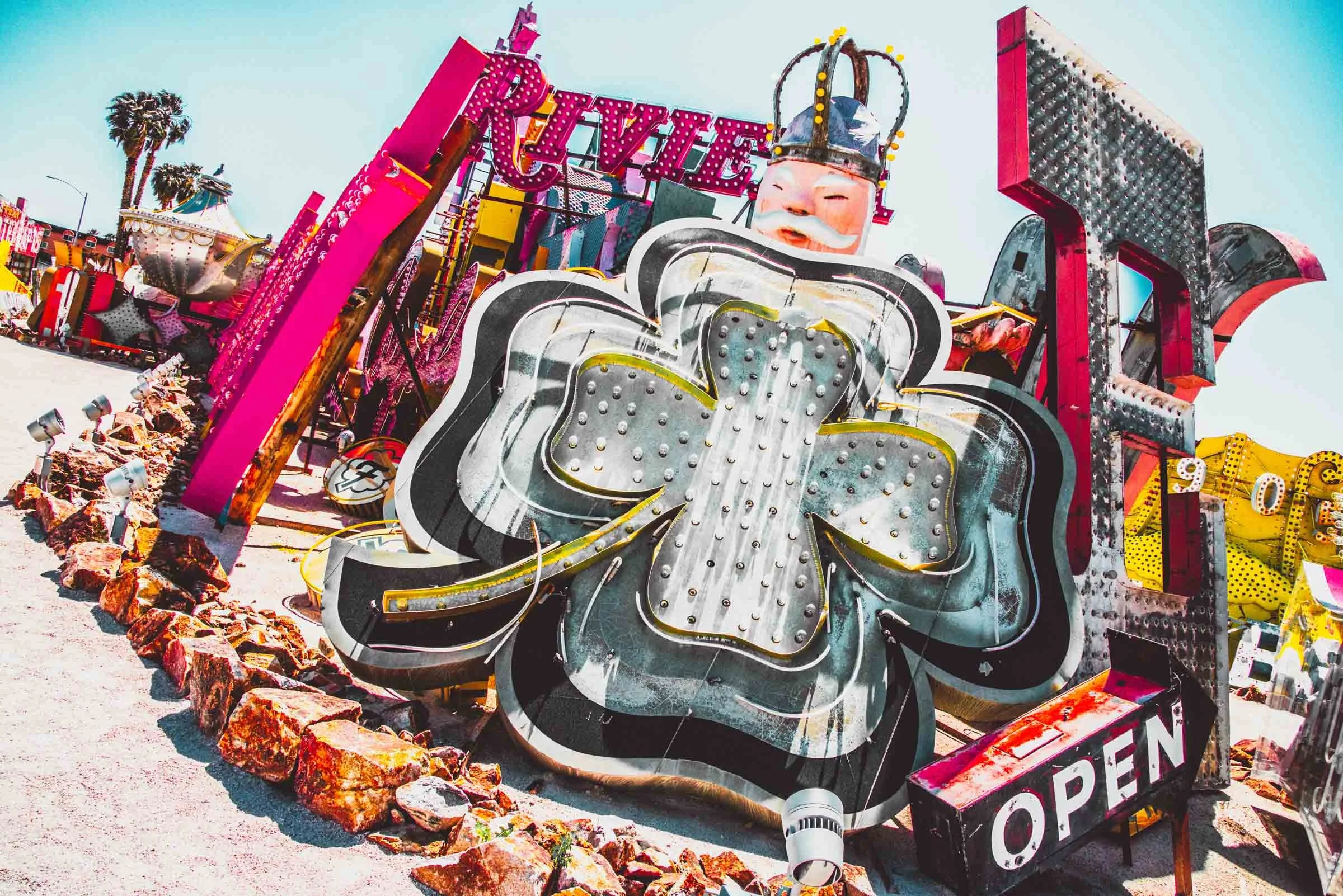
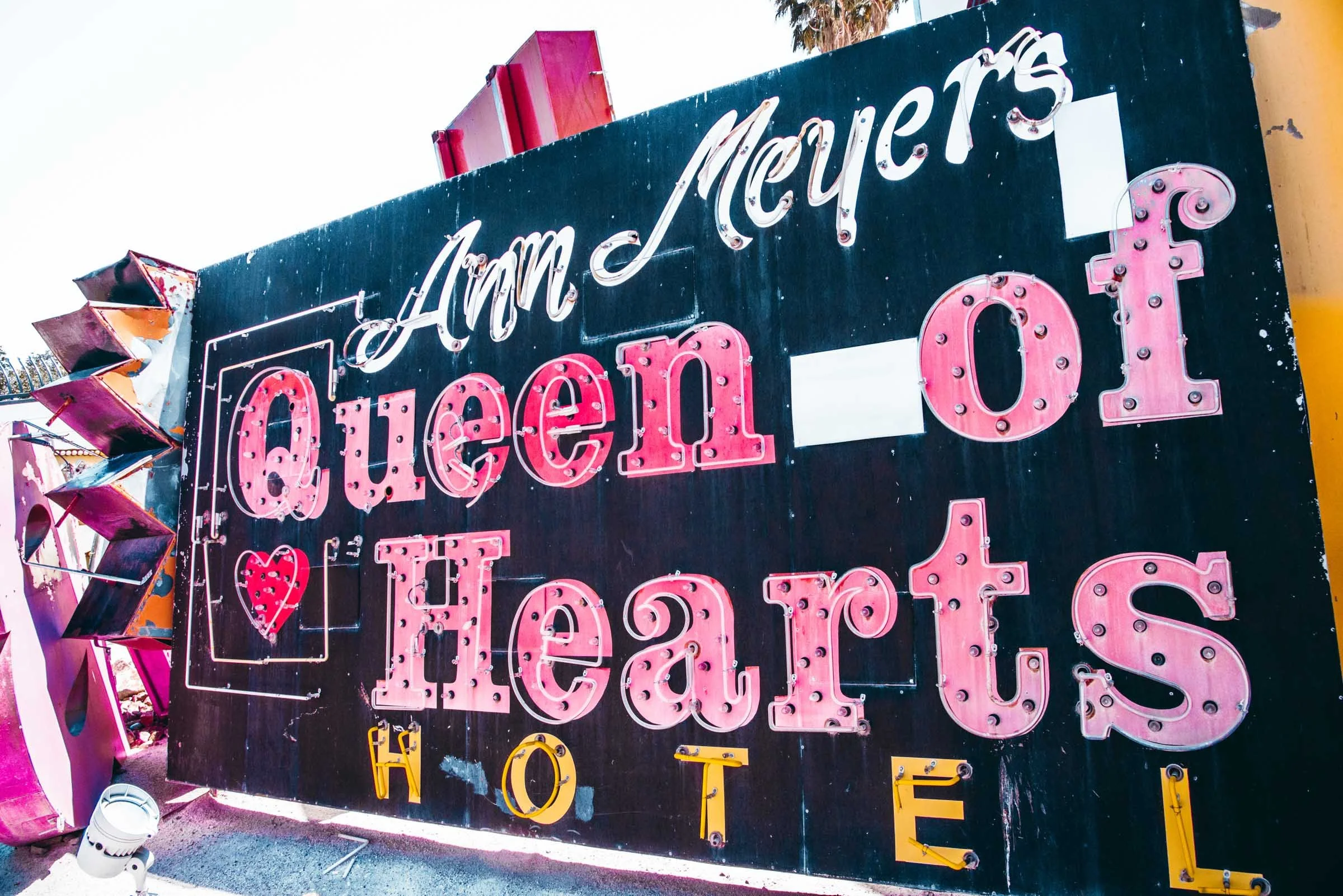
In 2001, Don Barden became the first African American to own a Las Vegas casino — 41 years after the Strip's official desegregation. In 1976, Ann Meyers, a Holocaust survivor, became the first woman to purchase a casino in Vegas. And the restored letters of "In Love" carry the memory of the Moulin Rouge — Vegas's first integrated casino, where seven men signed the agreement that ended legal segregation on March 26, 1960.
These three neon signs document what history books forgot: the struggle for ownership, not just access. The right to enter a building came in 1960. The right to own it took four more decades.
This is the story American vernacular architecture forgot to tell.

Why This Matters for Institutions
This collection positions within several curatorial frameworks:
-
While the Moulin Rouge documents 1960 social integration (the right to be served), Fitzgerald's Shamrock documents 2001 economic integration (the right to own). This 41-year gap represents an understudied chapter of American civil rights history that no major museum currently addresses through photography.
-
Don Barden became the first African American casino owner in Las Vegas in 2001 — yet this achievement remains virtually unknown outside business publications. Born the 9th of 13 children in Detroit, Barden started with a $500 record store and built a $347 million gaming empire. BLACK ENTERPRISE named him "Company of the Year" in 2003.
-
Holocaust survivor Ann Meyers became the first woman to purchase a casino in Las Vegas in 1976. Her story embodies the American Dream — immigrant resilience transformed into economic ownership.
-
Smithsonian NMAAHC: Natural home — Don Barden as documented figure in African American business history
SFMOMA: Civil rights photography extension, Walker Evans vernacular tradition
Getty Museum: Western American Dream narrative rewritten to include those historically excluded